Non Accredited Training Programmes
Wellness programs
A corporate wellness program is a set of workplace practices backed by science that intends to create a healthy workplace to foster employee well-being and enhance productivity and organizational performance. The program model exceeds the traditional “feel-good wellness” perspective and aims at a “results-driven wellness” approach that produces tangible business and health outcomes.
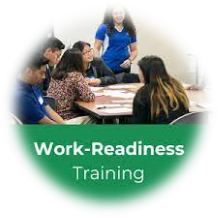
Workplace readiness
Workplace readiness describe a number of commonly expected, skills that employers seek from most employees. Work readiness skills are a set of skills that are necessary for any job, these skills are sometimes called soft skills, employability skills, or job readiness skills.

Entrepreneurship
Entrepreneurship training, promotes behavioural changes that help entrepreneurs put their ideas into action and helps fledgling businesses to grow. The objective of the training is to develop entrepreneurship. In practice, this means developing a set of specific competencies and practices that can be acquired and applied by entrepreneurs.

New Venture Creations
This programme develops the appropriate skills and knowledge required by a person for the establishment and development of a small to medium new business venture, and addresses the economic, administrative and management and leadership skills that contribute to the success in starting and sustaining the venture.

Ethical Standards
A failure to live up to high standards can damage your reputation, lead to lengthy investigations and could involve possible prosecution. A good reputation is a key part of a company's commercial success. In a recession, the risk of unethical and potentially illegal conduct increases. A code of ethical business conduct is the first step towards managing that risk, but the critical challenge is to embed ethical values within your company's culture. Training in Ethics helps the members of an organisation judge the moral legitimacy of their decisions, enabling them to apply moral principles and values in business decision-making.
Strategic Planning
The course is designed for managers working in any organization and face challenges in their everyday jobs. The managers are required to address the issues on day-to-day basis and are required to make better strategic decisions at a very fast pace. This course will provide the knowledge to conduct need analysis, problem solving and strategic decision making to achieve better business value.
Communication Programs
Communication skills are built on a foundation of confidence, self-awareness and positive relationships. Only then is it possible to communicate messages confidently and convincingly. By studying the art of effective communication, you stand every chance of making major improvements to your career prospects and your relationships with other people.
Corporate Life Skills
This course supports the technical and/or business skills courses and prepares the participant for the world of work and business. Included are topics such as communication, teamwork, problem-solving, time management, attitude and work ethic, self-confidence, the ability to learn and networking.
HIV Awareness
The spread of AIDS and HIV is both a threat and a challenge to development programs in developing countries. This is why improvements in child healthcare have made a big turnaround in recent years. This course will discuss HIV and AIDS including the spread of AIDS and the deaths it has caused in different countries
Emotional Intelligence
Emotional Intelligence is the ability to identify, understand and control one’s thoughts and feelings, communicate them clearly to others, interact with empathy towards other’s emotions. This training explores the basis of Emotional Intelligence and gives guidelines on applying the theories in everyday situations that arise when working with people.

Environmental Awareness
Environmental Awareness Safety Training protects the health and safety of colleagues, the public and ensures the workplace minimizes environmental damage in all its forms. Knowing the ways in which your workplace can affect the environment, and staying aware of the ways you can prevent environmental damage from your work, is the first step to creating a more eco-friendly workplace.

Zero Waste to Landfill
This course is intended to provide a source of professional development for individuals seeking to gain an understanding of Zero Waste to Landfill principles and practices. The intent is not to define Zero Waste to landfill, but to give professionals the tools needed to develop a plan toward achieving Zero Waste to landfill.
Logistics
Logistics is the complex process that is required to move items (anything and everything, including people) from their starting point to their destination. It is not a single action but a collection of many different processes, including integrating information, material handling and flow, procurement, inventory management, packaging, transportation, warehousing, security and receipt of goods.